
OBGYN Medical-Legal Insights
OBGYN Medical-Legal Insights
Educational medical-legal discussions for plaintiff and defense attorneys handling obstetric and gynecologic malpractice matters — authored by Dr. Yusria Malik, MD, MPH, FACOG.
Educational medical-legal discussions for plaintiff and defense attorneys handling obstetric and gynecologic malpractice matters — authored by Dr. Yusria Malik, MD, MPH, FACOG.
Practical clinical analysis for attorneys, legal nurse consultants, litigation teams, claims professionals, and healthcare risk professionals evaluating obstetric and gynecologic matters.
OBGYN Peer's Medical-Legal Insights series is designed to help legal teams and risk management departments understand the clinical standards, controversies, and documentation patterns that define obstetric and gynecologic malpractice litigation. Each article addresses a specific clinical topic from a medical-legal perspective — examining the applicable standard of care, common departures, causation analysis, and the questions experienced attorneys should be asking their experts.
These educational resources reflect current clinical guidelines from ACOG, SMFM, and other governing bodies, along with the practical realities of hospital-based and outpatient OB-GYN practice. They are intended for legal teams, not patients. Nothing here constitutes legal or medical advice. For case-specific analysis, contact OBGYN Peer directly to discuss your matter with Dr. Malik.
Professional readers can also review medical-legal services and support for law firms and litigation teams.

A Category II tracing is not a diagnosis of fetal acidemia, and it is not automatically evidence of negligent care. The central question is whether the evolving pattern was recognized, interpreted in context, managed reasonably, and reassessed over time.
Read Article →
When a newborn has seizures, abnormal tone, low Apgar scores, or brain injury on MRI, the outcome is serious — but the cause is not established by the diagnosis alone. Neonatal encephalopathy is a clinical syndrome with multiple potential etiologies.
Read Article →
Shoulder dystocia is an obstetric emergency defined by the need for additional maneuvers after delivery of the fetal head. It is often unpredictable, and the presence of risk factors does not mean the event was preventable.
Read Article →
Postpartum hemorrhage cases are rarely understood by looking only at the final estimated blood loss. The more useful questions are when bleeding became abnormal, whether the cause was recognized, and whether treatment escalated with the clinical trajectory.
Read Article →
Severe-range blood pressure in pregnancy or postpartum is a time-sensitive finding because untreated severe hypertension increases the risk of stroke and other maternal complications. In litigation, the record often turns on exact measurement and treatment times.
Read Article →
Pregnancy can make sepsis harder to recognize. Heart rate, respiratory rate, white blood cell count, and blood volume differ from the nonpregnant state, while postpartum physiology and common obstetric conditions can obscure early deterioration.
Read Article →
Forceps- and vacuum-assisted delivery can be appropriate, evidence-based options that expedite birth and sometimes avoid cesarean delivery. The core legal question is whether the prerequisites, instrument choice, technique, reassessment, and stopping point were reasonable.
Read Article →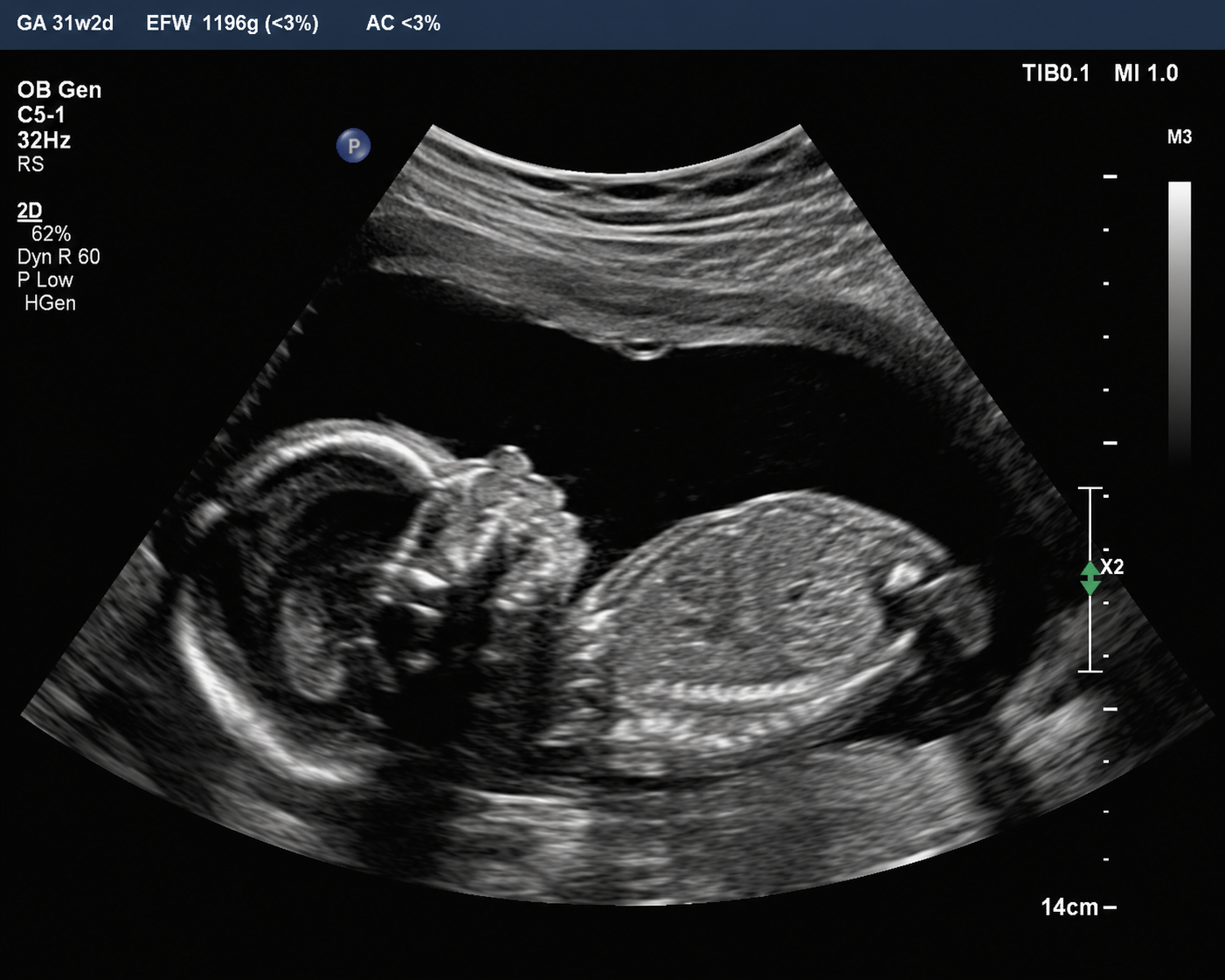
A fetus below the 10th percentile is not automatically pathologically growth restricted, and a fetus above it is not automatically healthy. FGR litigation requires review of dating, growth trajectory, Doppler findings, surveillance, maternal disease, and delivery timing.
Read Article →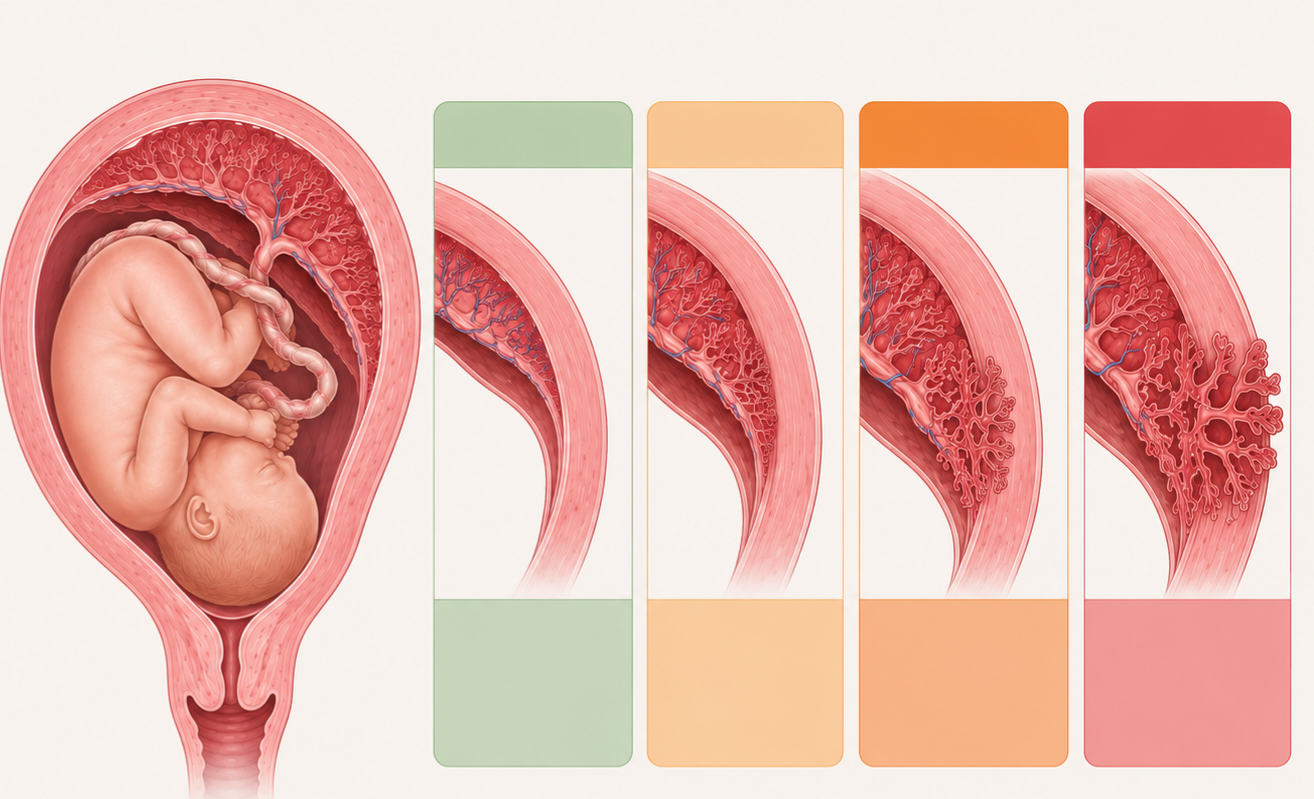
Placenta accreta spectrum cases are often framed around hemorrhage at delivery, but the most important decisions may have occurred weeks earlier: risk recognition, imaging, referral, counseling, blood-bank planning, team assembly, and delivery location.
Read Article →
In obstetric litigation, decision-to-incision time is often treated as though every emergency must result in delivery within exactly 30 minutes. That is not a universal biologic deadline, and the number should not replace analysis of the indication, urgency, fetal physiology, logistics, and outcome.
Read Article →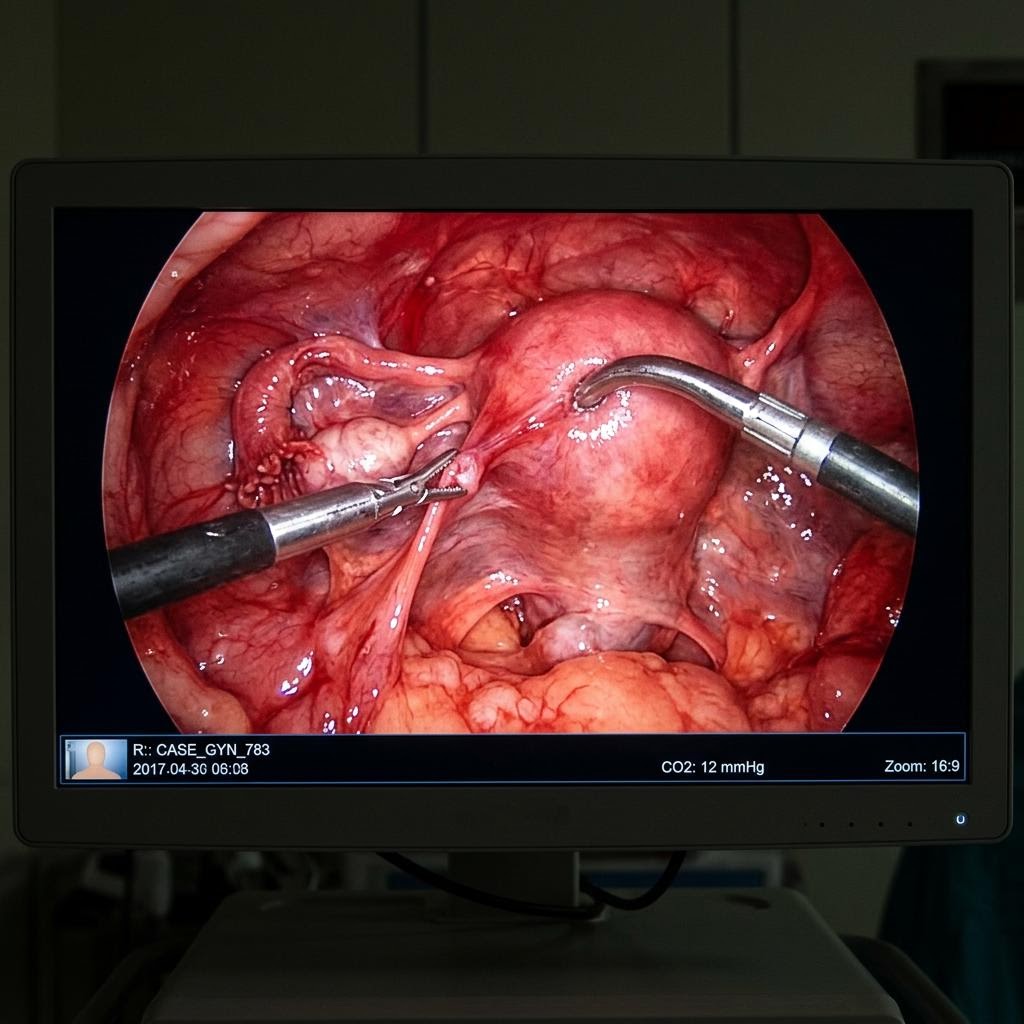
A urinary-tract injury during hysterectomy or other pelvic surgery is a recognized complication. Its occurrence does not, by itself, establish negligent technique. The medical-legal analysis turns on anatomy, operative difficulty, preventive steps, recognition, repair, and the consequences of any delay.
Read Article →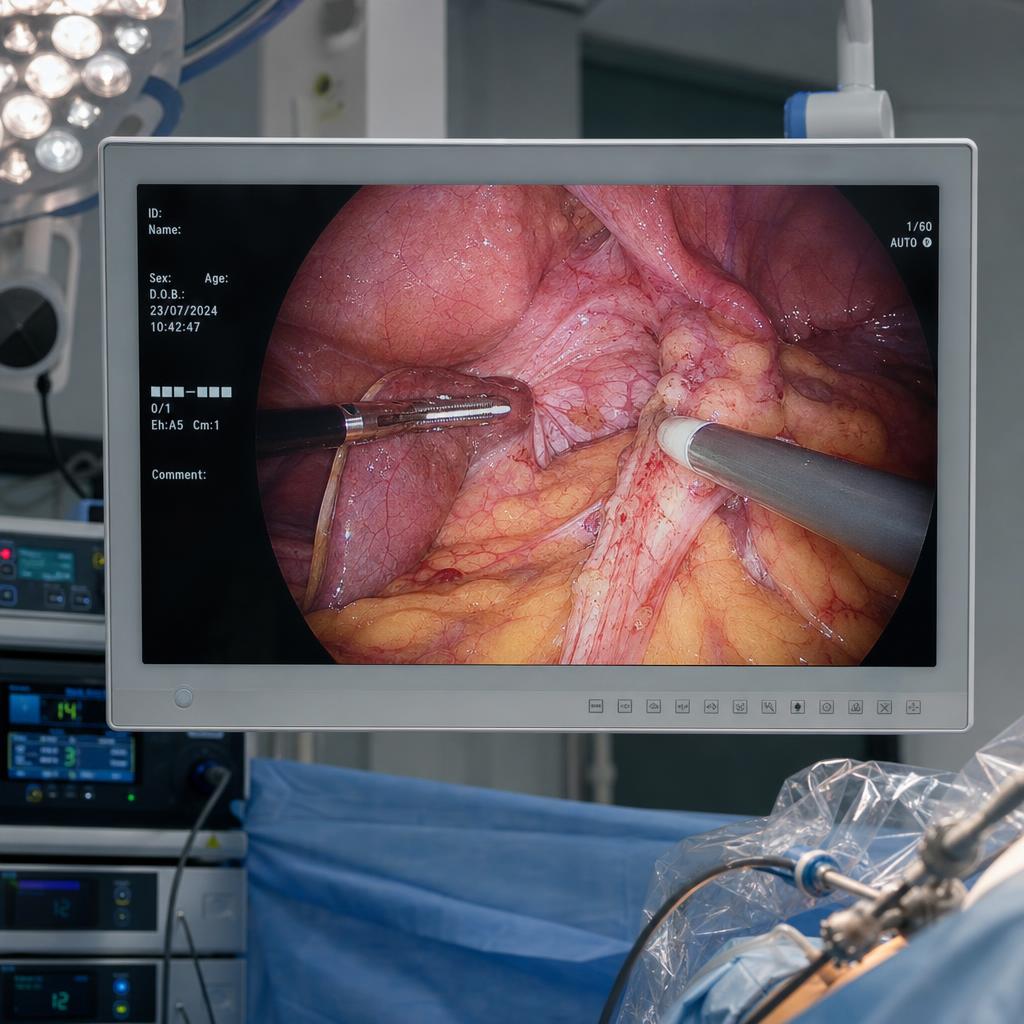
Bowel injury is uncommon but potentially serious after gynecologic laparoscopy. Some injuries are recognized immediately; others — particularly thermal injuries — may declare themselves later. A delay in diagnosis can be consequential, but delayed presentation is not the same as delayed recognition.
Read Article →
Major bleeding during hysterectomy may result from difficult anatomy, vascular injury, coagulopathy, or an unexpectedly complex operation. The presence of transfusion or reoperation does not answer whether care was reasonable; the sequence of recognition, control, and rescue does.
Read Article →
A pelvic abscess, cuff cellulitis, wound infection, urinary infection, or sepsis after gynecologic surgery can occur despite appropriate prophylaxis and sterile technique. Litigation requires a disciplined analysis of prevention, recognition, source control, and causation.
Read Article →
A later-stage cervical, endometrial, ovarian, vulvar, or other gynecologic cancer diagnosis does not by itself prove that an earlier clinician missed a diagnosable cancer. The case depends on what findings existed, what follow-up was indicated, and whether an earlier diagnosis probably would have altered treatment or prognosis.
Read Article →
Abnormal uterine bleeding is common, but its legal significance depends on age, menopausal status, risk factors, bleeding pattern, imaging, treatment response, and follow-up. There is no single test or endometrial-thickness number that answers every case.
Read Article →
Adnexal torsion is a time-sensitive clinical diagnosis, but no symptom, laboratory value, or ultrasound finding reliably confirms or excludes every case. A later necrotic ovary does not automatically prove that earlier surgery would have preserved function.
Read Article →
A signed consent form is evidence that a process occurred; it is not the entire process. At the same time, the occurrence of a disclosed complication does not prove that the patient was inadequately counseled or that the operation was negligently performed.
Read Article →
A retained sponge, instrument, needle, or device fragment is a serious patient-safety event. Yet a useful expert analysis still must determine what was retained, how the prevention system functioned, who had responsibility at each stage, and what injury the item actually caused.
Read Article →OBGYN Peer provides independent OB-GYN medical-legal review for plaintiff and defense attorneys, legal nurse consultants, litigation teams, claims professionals, risk management departments, and healthcare organizations.