
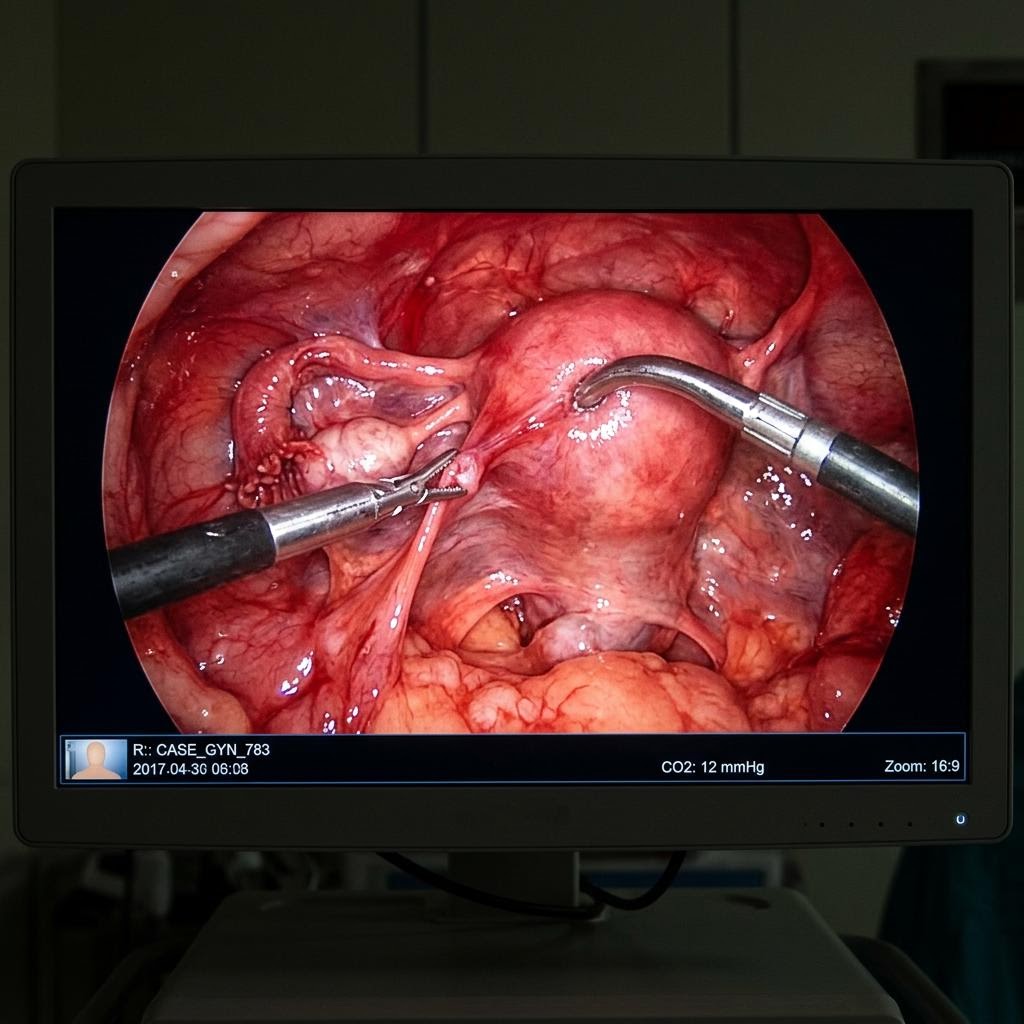
For attorneys, legal nurse consultants, litigation teams, claims professionals, and healthcare risk professionals evaluating OB-GYN matters.
The ureters run close to the uterine arteries, the infundibulopelvic ligaments, the cervix, and the upper vagina — close enough that even careful hands have to stay genuinely oriented to that anatomy throughout a case. Prior surgery, endometriosis, adhesions, an enlarged uterus, malignancy, hemorrhage, distorted anatomy, and emergency conditions can all raise the risk. Bladder injury tends to follow the same pattern — more likely when a prior cesarean or pelvic surgery has already altered the normal tissue planes.
When I review one of these cases, I'm not satisfied with the diagnosis alone — I want to reconstruct the operation itself. That means looking at the indication and surgical route, any preoperative imaging, prior operative reports, how the adhesions and anatomy were actually described in real time, use of energy devices, where pedicles were placed, blood loss, cystoscopy if it was performed, urine output, and how the surgeon responded to anything concerning along the way. Routine cystoscopy can catch some injuries, but a normal intraoperative examination does not exclude every delayed thermal or ischemic injury — some of these simply don't show themselves until later.
Depending on who's reviewing, the same operative record can support different conclusions. Plaintiff analysis might focus on anatomy that wasn't properly identified, a transection or ligation that doesn't fit reasonable technique, intraoperative signs that were seen and not acted on, or a slow response to postoperative flank pain, fever, ileus, rising creatinine, urinary leakage, or abnormal imaging. Defense analysis might point to genuinely distorted anatomy, dissection that was reasonable given what the surgeon was working with, an injury that simply wasn't visible during the surgery itself, prompt consultation and repair once it was found, or a recognized complication that occurred despite entirely appropriate care.
Causation here needs its own separate timeline. The analysis should distinguish harm caused by the original injury from additional harm attributable to delayed recognition — infection, fistula, kidney impairment, a repeat surgery, a longer hospital stay. The real question isn't just whether an injury happened. It's when that injury became reasonably detectable, and what earlier action would probably have changed from that point forward.
Questions for Counsel
- Was cystoscopy performed, what clinical circumstances informed its use or non-use, and what guidance was applicable to the procedure at the time of care?
- What does the operative record document regarding ureteral identification, relevant anatomy, and measures considered or used to reduce urinary-tract injury risk during the procedure?
- How did postoperative symptoms and findings evolve, when was urinary-tract injury identified, and what does the record show about the evaluation performed as those findings emerged?
- Was the repair performed by the original surgeon or by a urologic consultant, and does the repair note describe the type and extent of the injury?
- Has the patient required multiple procedures — stenting, reimplantation, nephrectomy — as a result of the delayed recognition, and are those procedures documented in the ongoing medical record?

Disclaimer: This material is for general educational purposes and does not constitute legal advice, medical advice, or a case-specific standard-of-care or causation opinion. Clinical guidance changes over time. Every matter requires review of the complete record, applicable guidance in effect on the date of care, local resources, and jurisdiction-specific legal standards. For consultation on a specific case, contact OBGYN Peer.