
For attorneys, legal nurse consultants, litigation teams, claims professionals, and healthcare risk professionals evaluating OB-GYN matters.
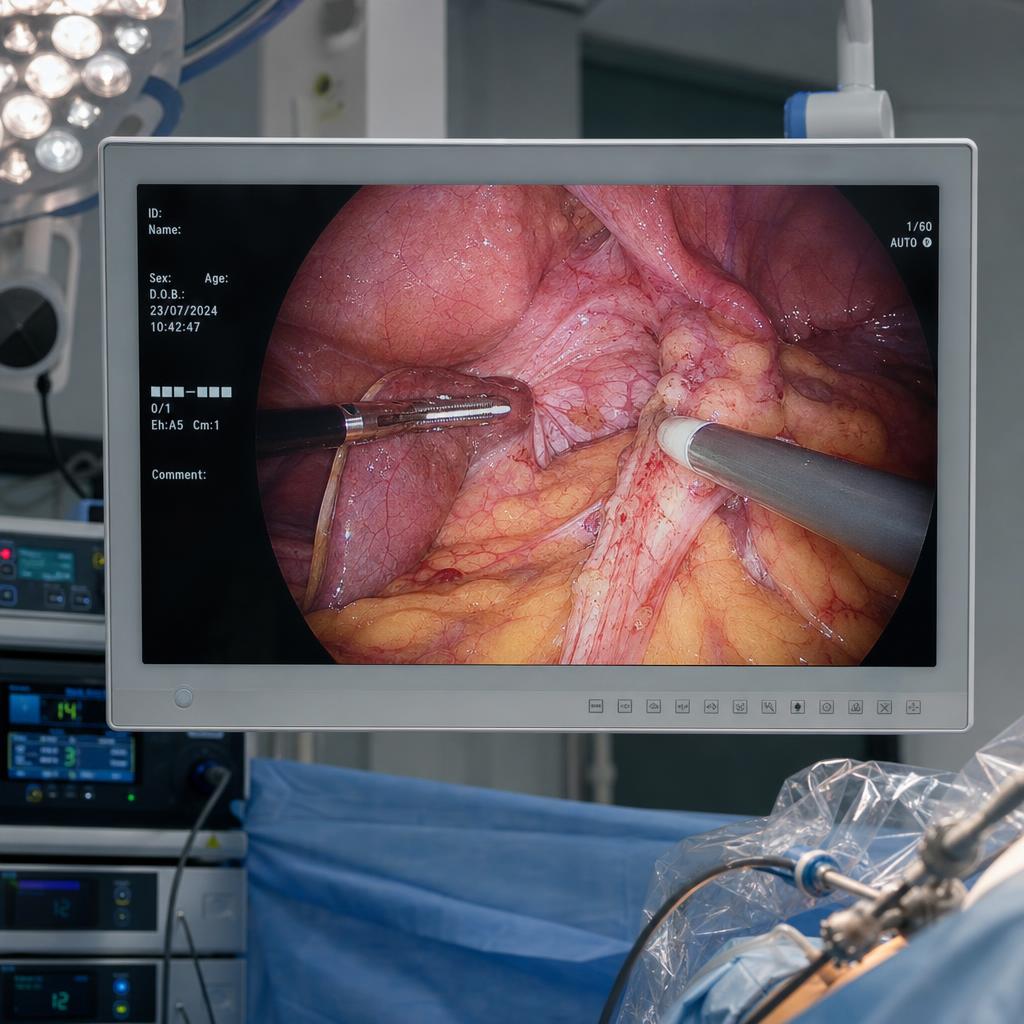
Risk can show up at several points — abdominal entry, adhesiolysis, dissection near the bowel, suturing, or use of electrosurgical energy. Prior surgery, endometriosis, inflammatory disease, obesity, adhesions, and complex pelvic pathology all make the technical work harder, and those factors should be considered in the analysis. When I review the standard of care here, I want to understand not just what entry technique was chosen, but what anatomy the surgeon actually found once they were in.
I test the operative report against the broader record — trocar sites, insufflation, what was actually visualized, the adhesions encountered, energy settings used, any intraoperative consultation, blood loss, and whatever inspection or repair was done. A negative visual inspection does not necessarily rule out a small or evolving thermal injury — some of these injuries genuinely aren't visible yet at the time of surgery. That said, an obvious enterotomy that goes unaddressed is a very different problem from an occult injury that truly wasn't visible to anyone at the time.
Postoperatively, I focus on how things trended — pain, distention, nausea, oral intake, heart rate, temperature, urine output, white count, lactate, imaging, any phone calls the patient made, ER visits, and serial exams. The tricky part is that normal postoperative discomfort and early bowel injury can look a lot alike in the first day or two, which is exactly why the chronology and how things progressed matter so much. The real question is when the symptoms stopped being consistent with a routine recovery.
For causation, I look specifically at what additional harm came from any delay — peritonitis, an abscess, sepsis, an ostomy, organ dysfunction, a longer hospitalization. A good expert has to explain whether earlier evaluation or surgery would more likely than not have reduced that harm — and has to be honest about not reasoning backward just because we now know the eventual diagnosis.
Questions for Counsel
- What does the operative record document regarding areas of bowel encountered during the procedure, any intraoperative concern for injury, and the assessment performed before completion of surgery?
- What were the first postoperative vital signs suggesting an abnormality — fever, tachycardia, abdominal pain — and at what point were those findings documented, and what response was ordered?
- Was a CT scan ordered when the patient first presented with concerning postoperative findings, and if not, what was the documented reason for the decision not to image?
- At what point was the diagnosis of bowel injury established, and what was the interval between the first documented postoperative symptom and the operative re-exploration?
- What are the long-term sequelae of the delayed diagnosis — ostomy, bowel resection, peritonitis, sepsis, prolonged ICU admission — and are these outcomes temporally linked to the delay?

Disclaimer: This material is for general educational purposes and does not constitute legal advice, medical advice, or a case-specific standard-of-care or causation opinion. Clinical guidance changes over time. Every matter requires review of the complete record, applicable guidance in effect on the date of care, local resources, and jurisdiction-specific legal standards. For consultation on a specific case, contact OBGYN Peer.