
For attorneys, legal nurse consultants, litigation teams, claims professionals, and healthcare risk professionals evaluating OB-GYN matters.
Working through an abnormal bleeding case usually starts in the same place: pregnancy testing, a blood count, a look at the patient's medications, pelvic exam, cervical evaluation, and imaging if the presentation calls for it. But when it comes to endometrial sampling, the threshold for actually doing it shifts depending on context — it's not one-size-fits-all. Postmenopausal bleeding needs prompt evaluation, full stop. Premenopausal abnormal bleeding is more nuanced — I have to weigh it against age, how persistent it's been, ovulatory dysfunction, obesity, chronic anovulation, tamoxifen use, family history, and other risk factors for endometrial cancer before deciding what it means.
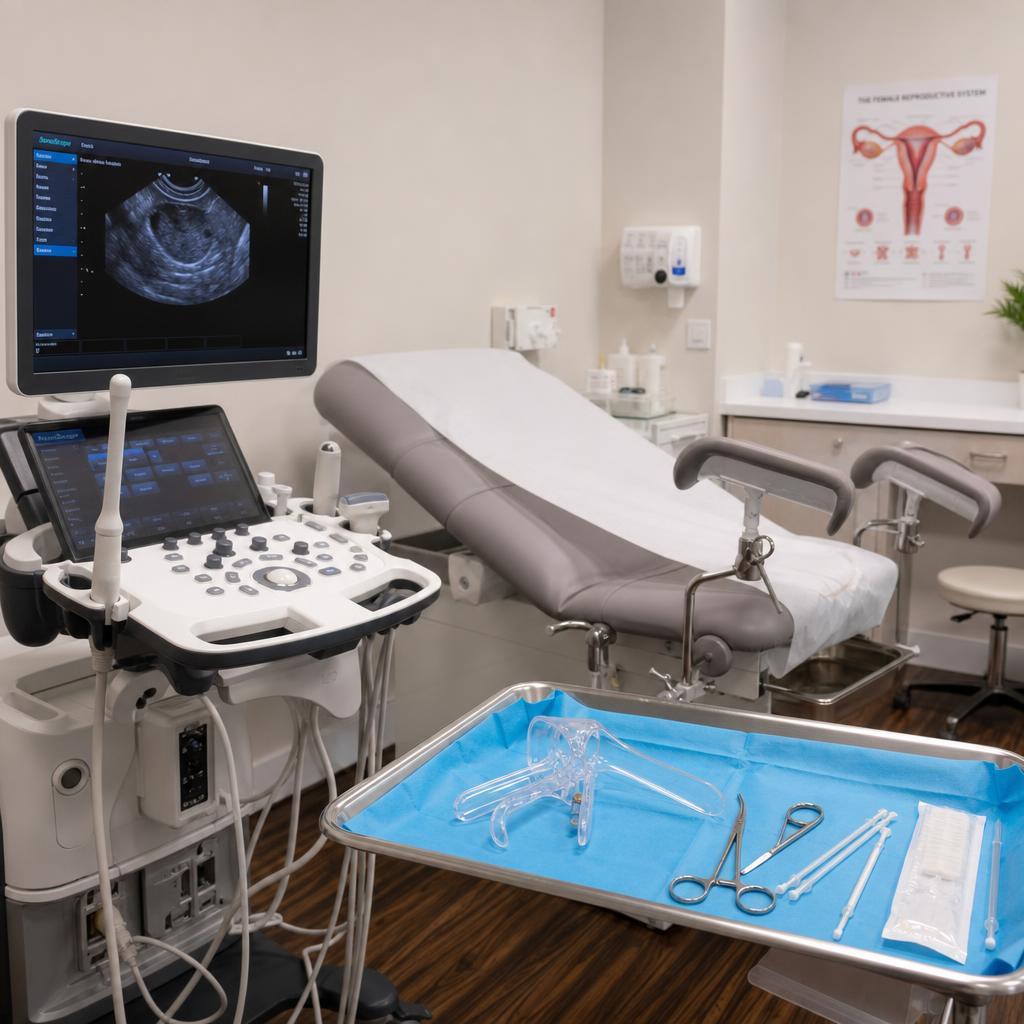
Transvaginal ultrasound is genuinely useful — it tells us a lot about the endometrium and can pick up structural causes like fibroids or polyps — but it isn't a substitute for tissue evaluation in every case. And here's something I see missed sometimes: an insufficient or benign blind sample doesn't necessarily close the book if the bleeding keeps happening or a focal lesion is suspected. That's often when hysteroscopy or a more directed evaluation becomes the next right step.
I've seen plaintiff cases built around prolonged empiric treatment that skipped appropriate sampling altogether, a failure to respond when postmenopausal bleeding kept recurring, a specimen that came back insufficient with no real follow-up, or persistent symptoms for which no further evaluation was documented. On the defense side, the record might show a patient who genuinely started at low risk, a reasonable stepwise workup, an endometrium that was thin or adequately assessed given the clinical picture, escalation that happened promptly once symptoms persisted, or a cancer that simply wasn't detectable by the method used at the time.
The applicable standard should be based on guidance and practice contemporaneous with the care at issue. And for causation, the real question is whether earlier testing would probably have caught the pathology, and whether that timing difference would have changed the stage, the treatment needed, the anemia, the fertility outcome, or whatever injury is actually being claimed.
Questions for Counsel
- How was the patient's bleeding characterized over time, and what evaluation followed any documented episode of postmenopausal bleeding?
- What does the record document regarding transvaginal ultrasound, the endometrial measurement, and how those findings informed subsequent evaluation or management?
- What risk factors were present, what treatment was initiated for abnormal uterine bleeding, and what clinical reasoning was documented regarding whether endometrial sampling was indicated?
- Was the endometrial biopsy specimen reported as inadequate or insufficient, and if so, was that result documented, and what additional evaluation was recommended and performed?
- What stage was the endometrial cancer at diagnosis, and at the point of the alleged departure — prior visits where biopsy should have been performed — what would the expected stage have been based on the timeline?

Disclaimer: This material is for general educational purposes and does not constitute legal advice, medical advice, or a case-specific standard-of-care or causation opinion. Clinical guidance changes over time. Every matter requires review of the complete record, applicable guidance in effect on the date of care, local resources, and jurisdiction-specific legal standards. For consultation on a specific case, contact OBGYN Peer.